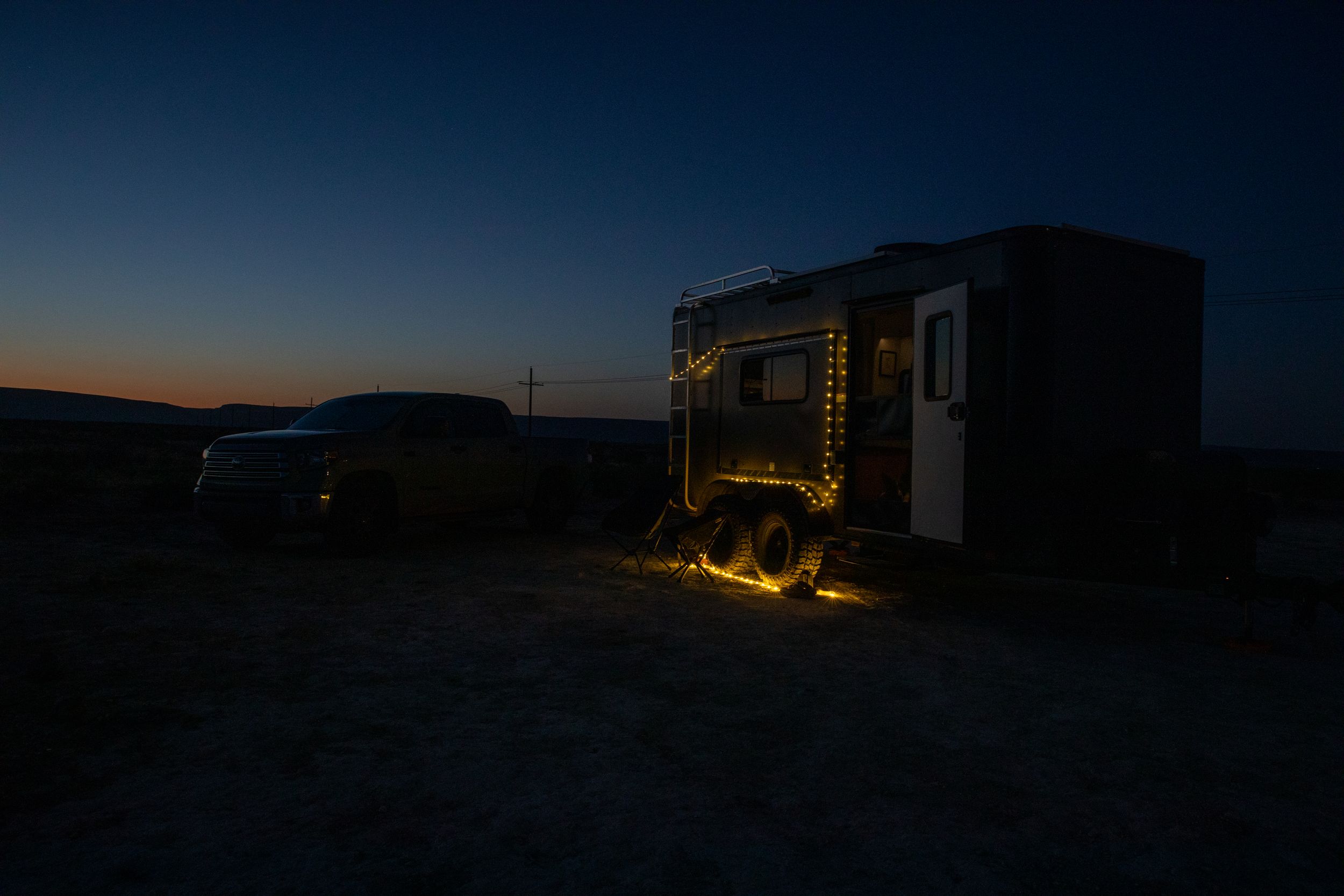
Travels resumed after shoulder surgery in the new year! Family holidays and three months of surgery and recovery forced us to be sedentary for five months. After finally getting the go-ahead from the doctor, we decided to make a westward exit, knowing we’d be needed down in Texas for a family wedding at the start of June.
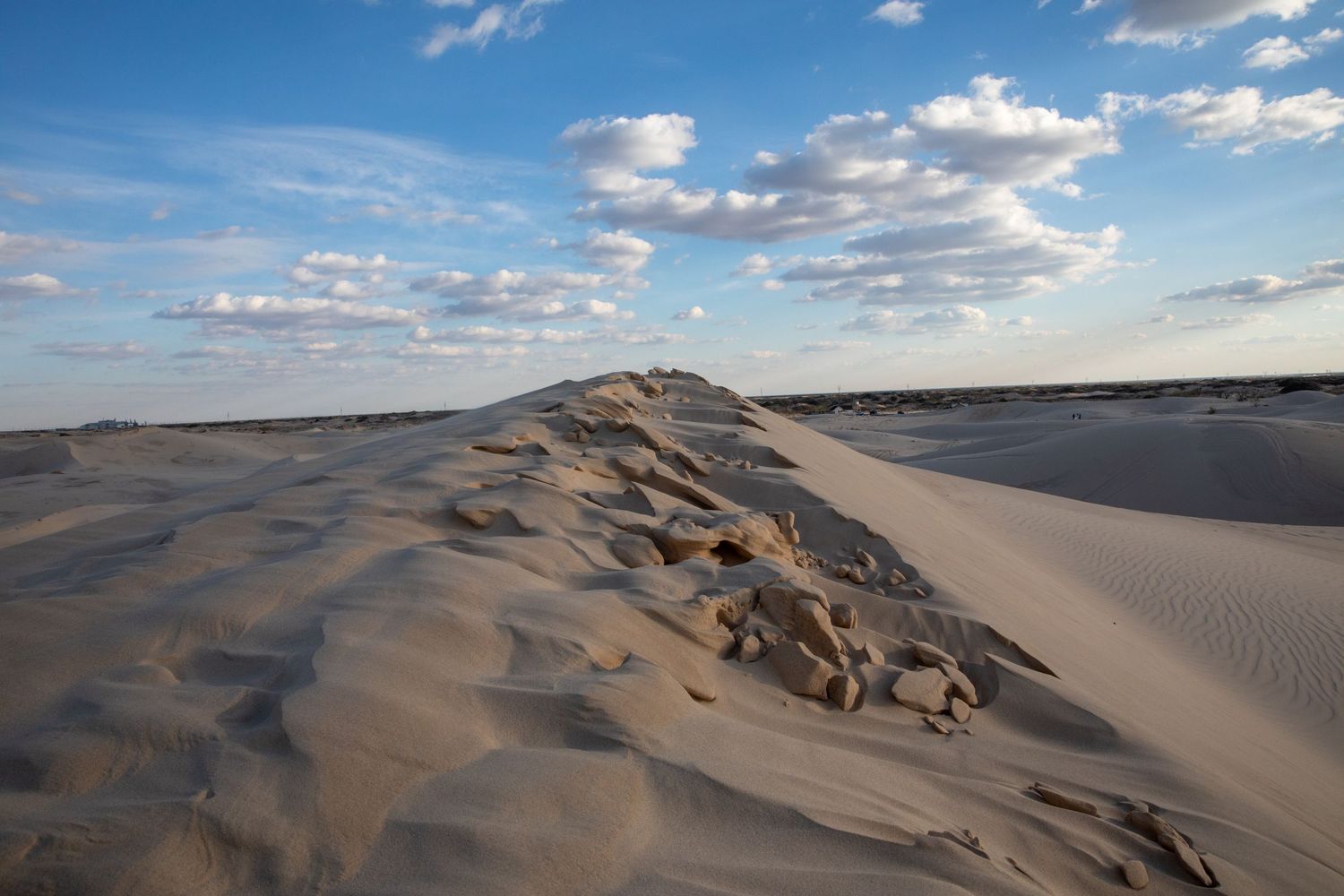
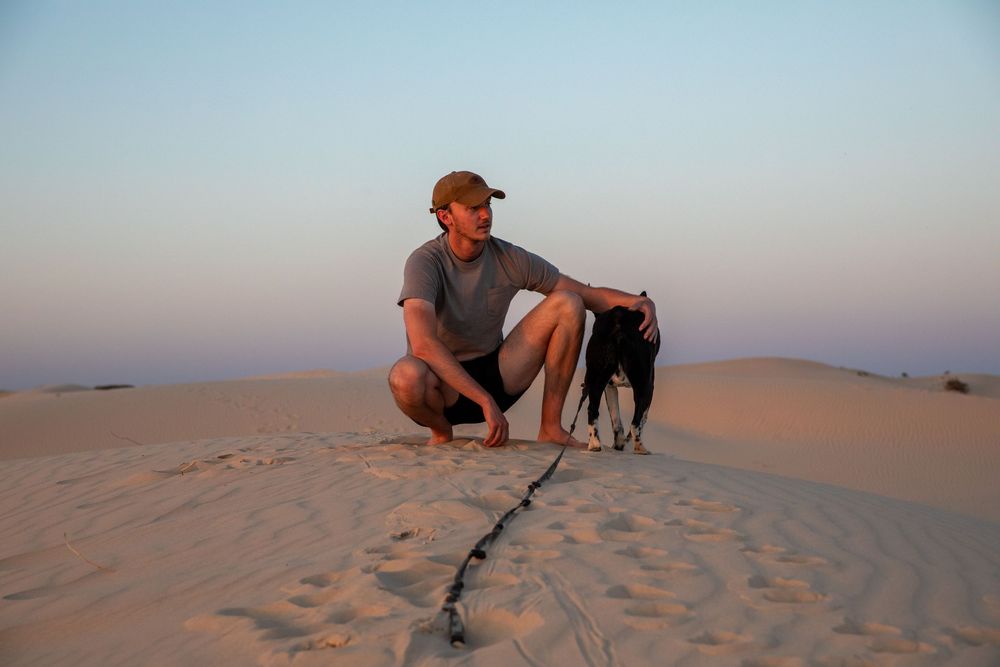
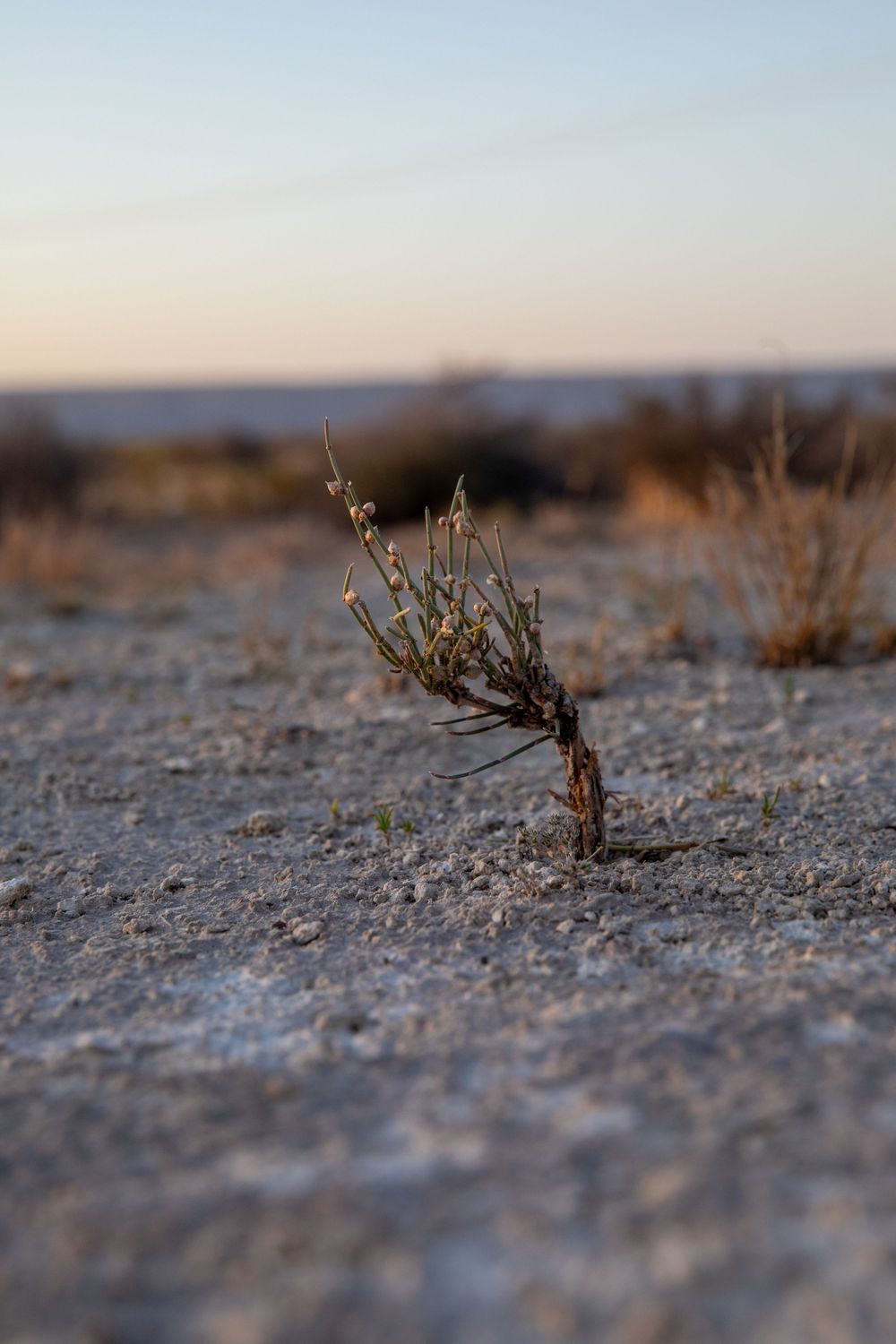
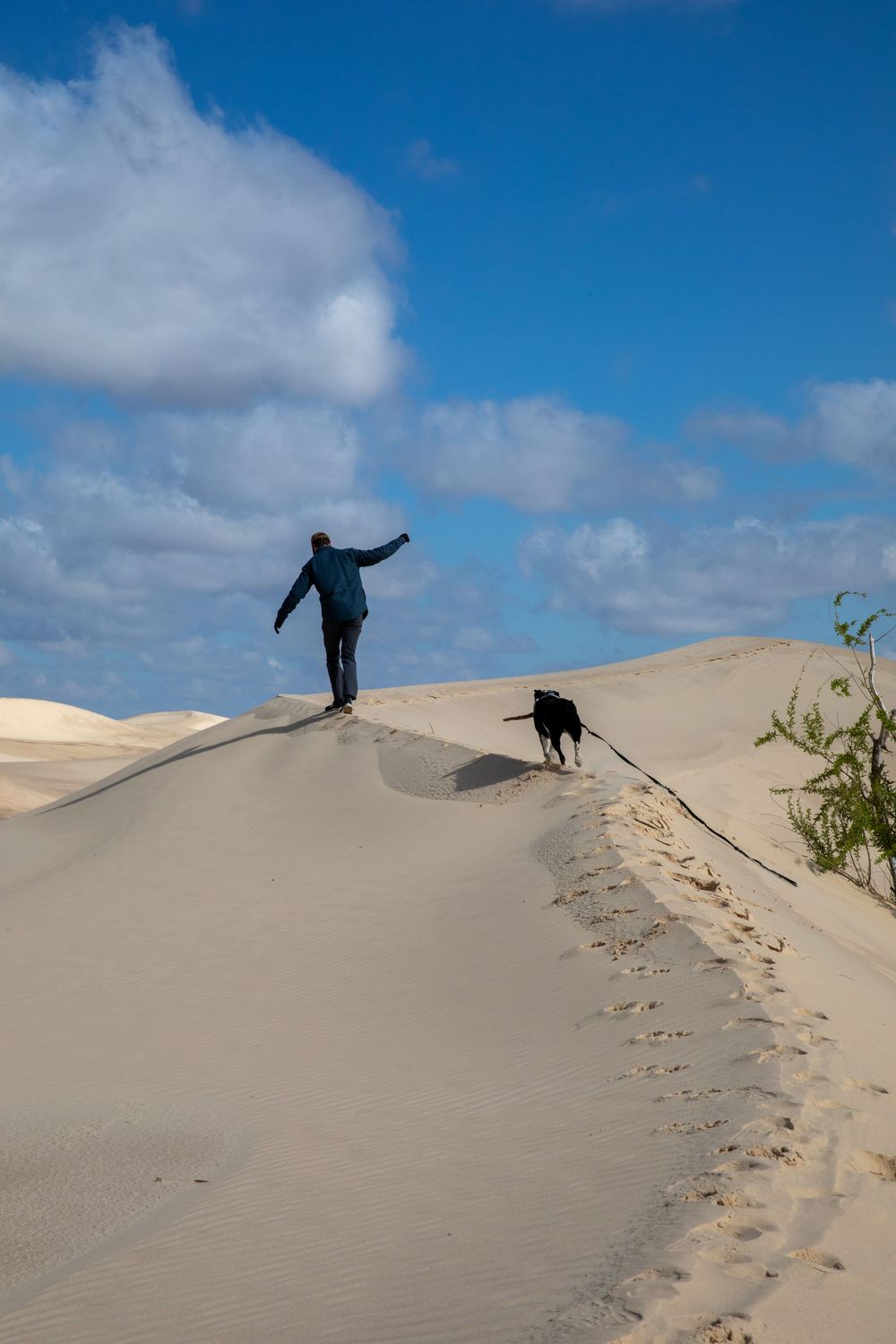
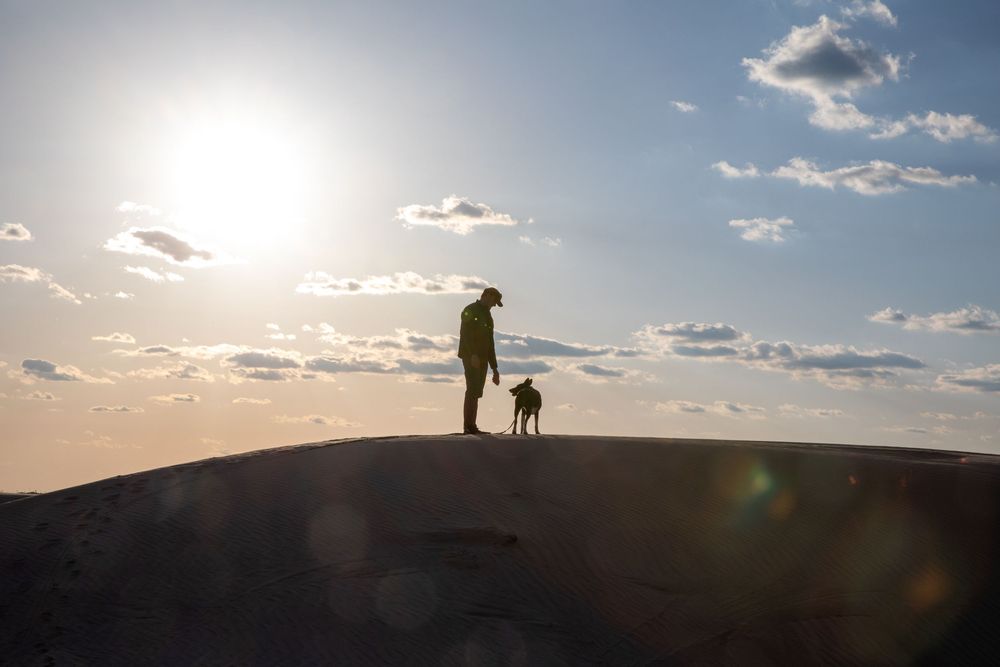
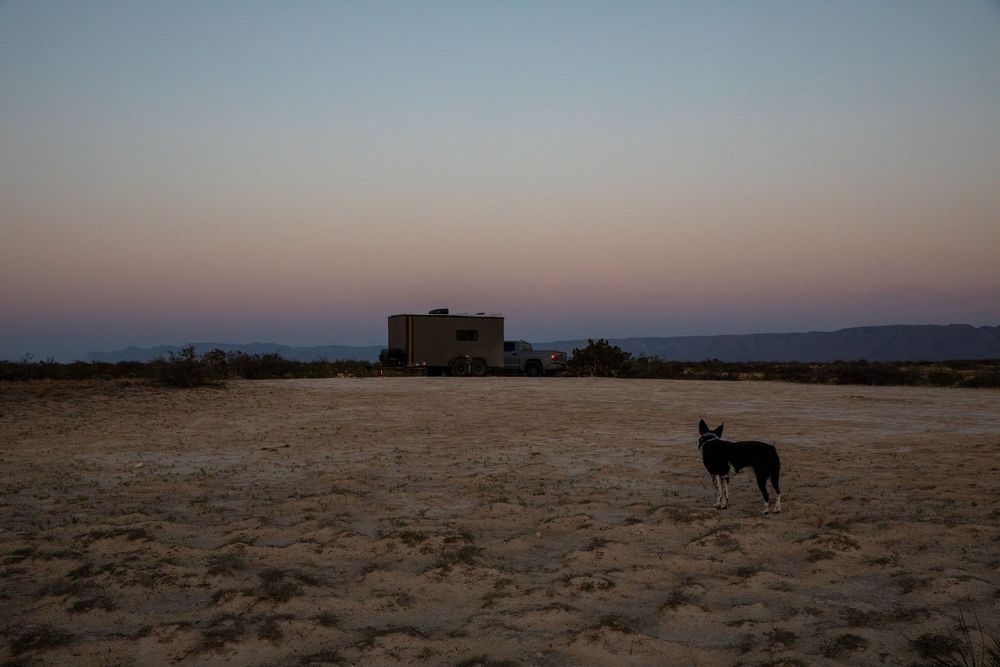
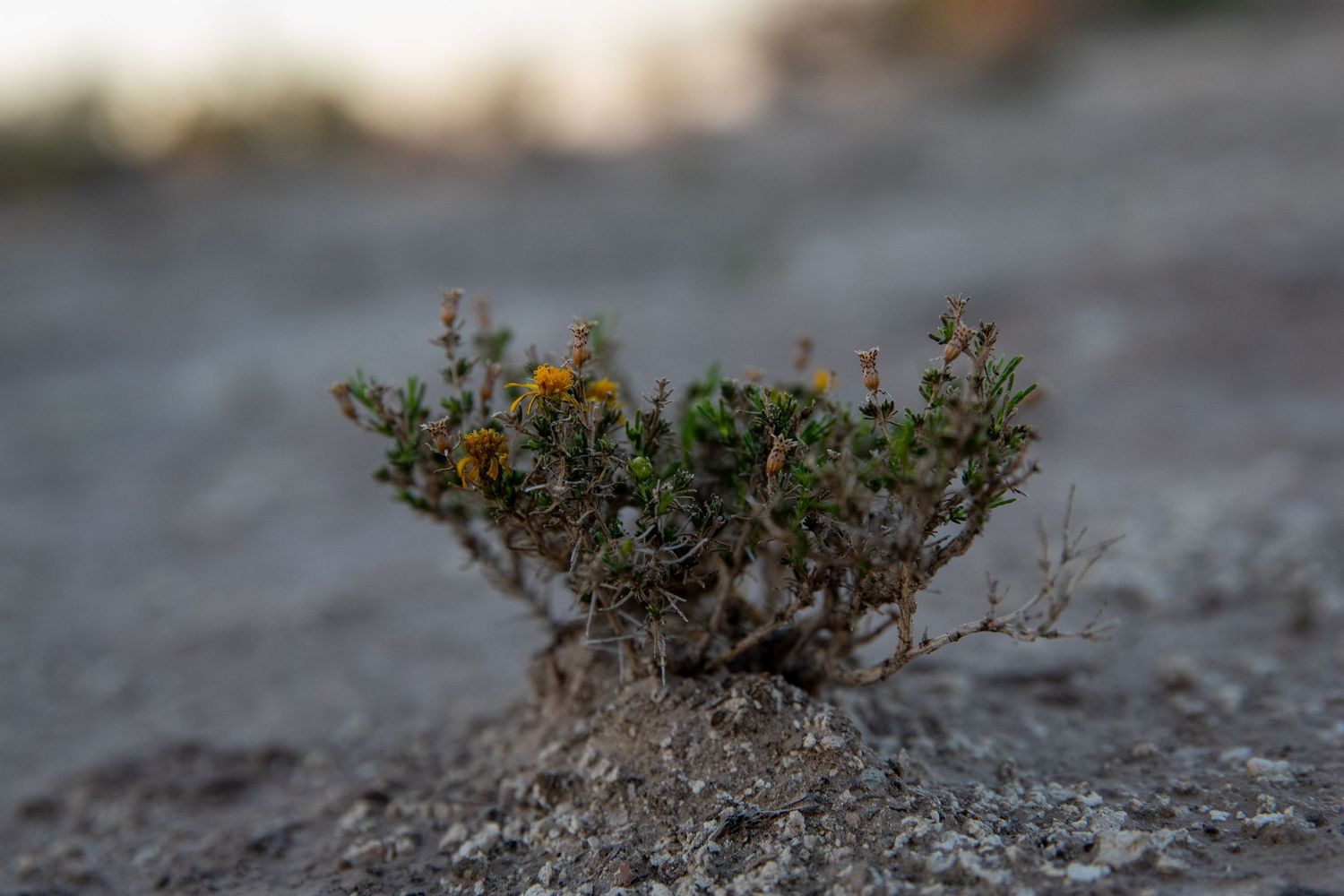
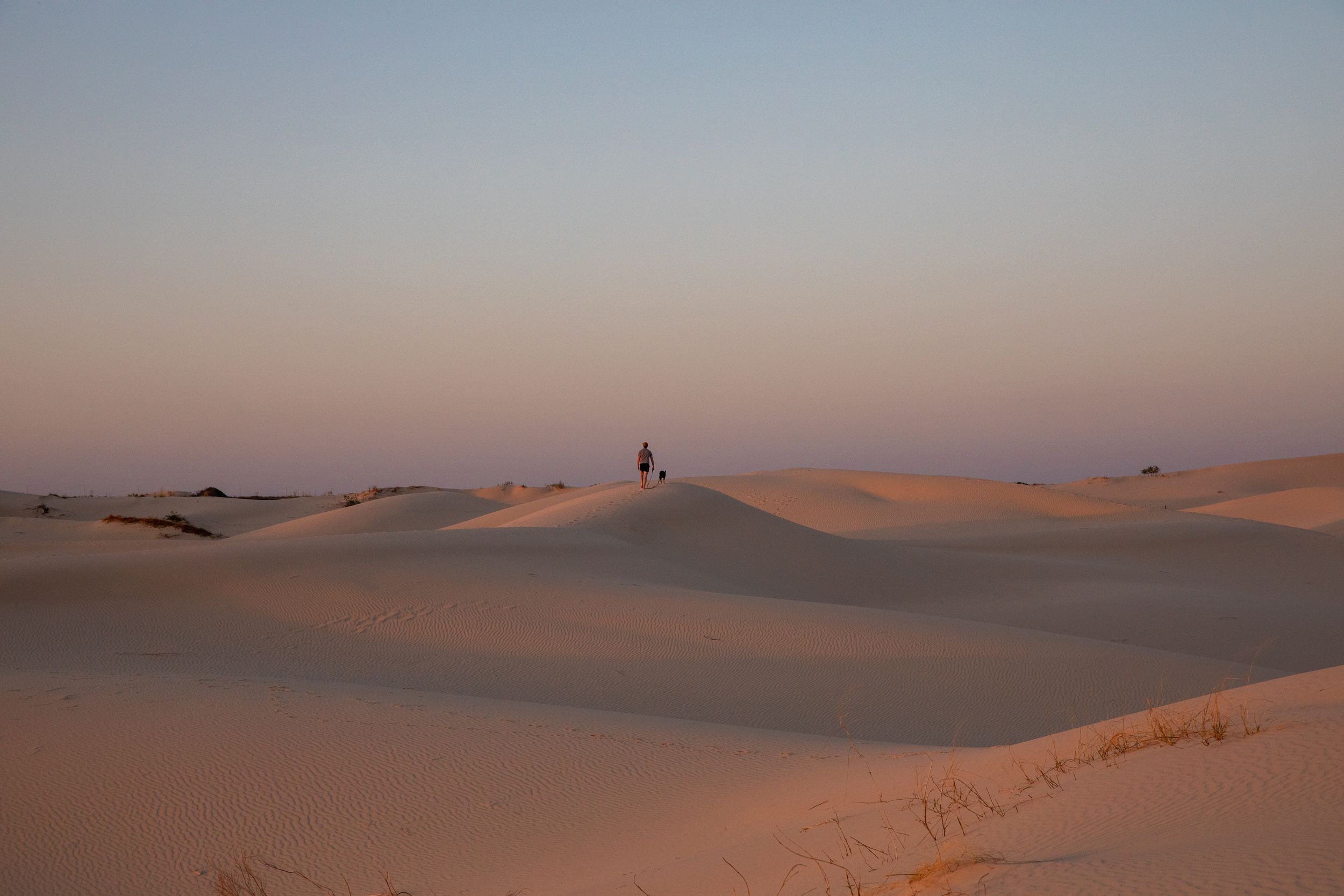
Our first stop was Monahans Sandhills, a surprising outlier in the heart of West Texas oil country. With miles of rolling sand dunes and one of the largest remaining continuous oak forests in Texas, it was an incredibly biodiverse and unique place that taught us so much about the absence of life and the adaptations required to survive in such a seemingly harsh environment.
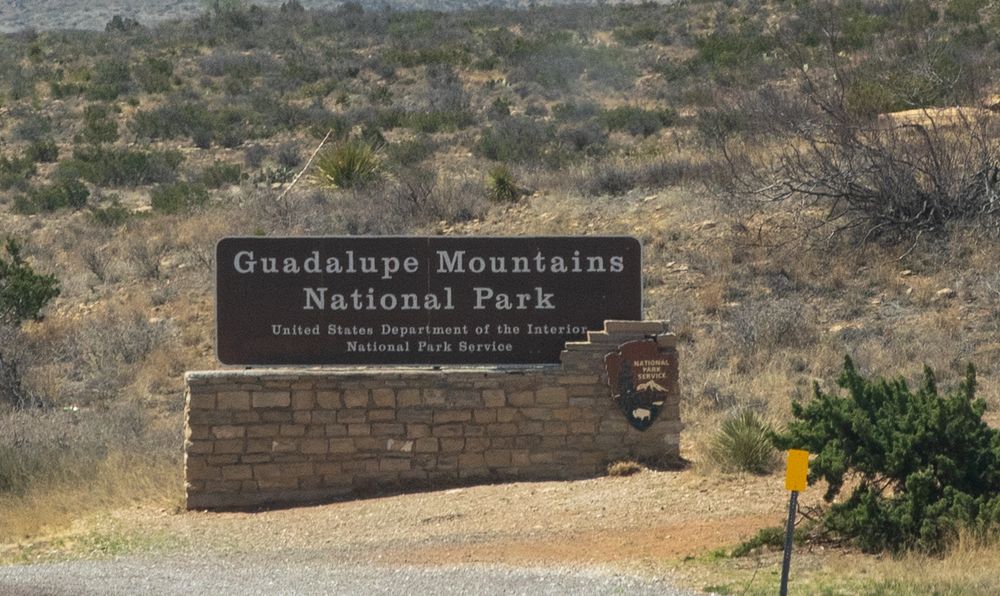
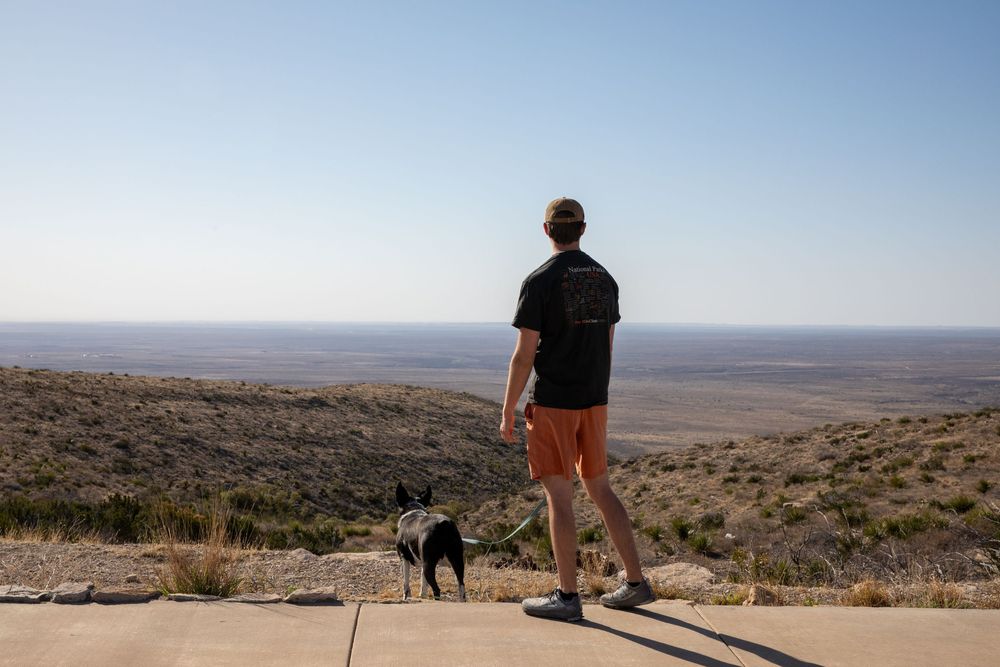
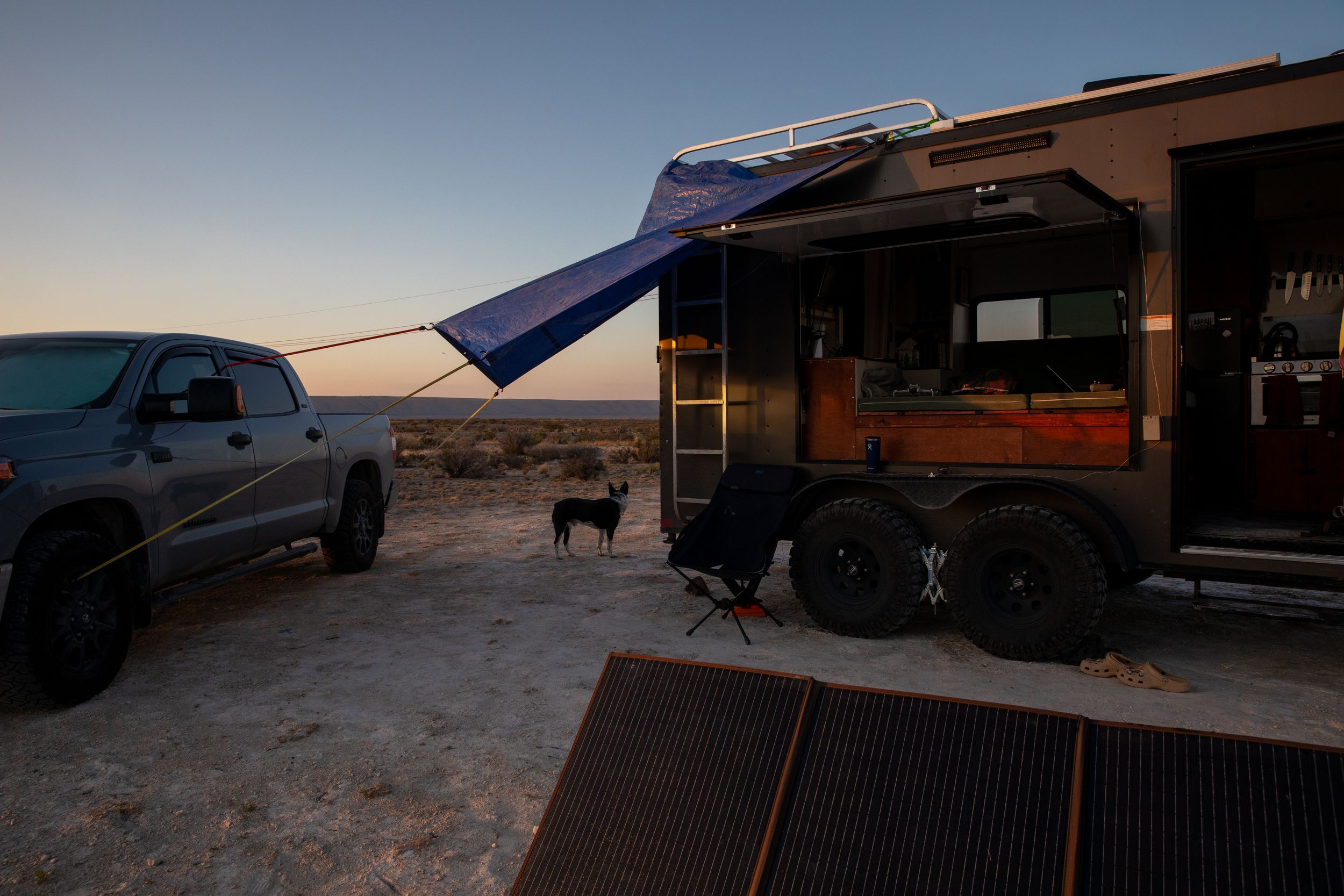
The harsh environment theme continued as we drove through Guadalupe Mountains National Park and into Carlsbad Caverns. On our visit, we saw more of the desert landscape than the cavern itself due to the extreme heat—and because Apollo wasn’t allowed in the park at all (cave ecosystems are very fragile).
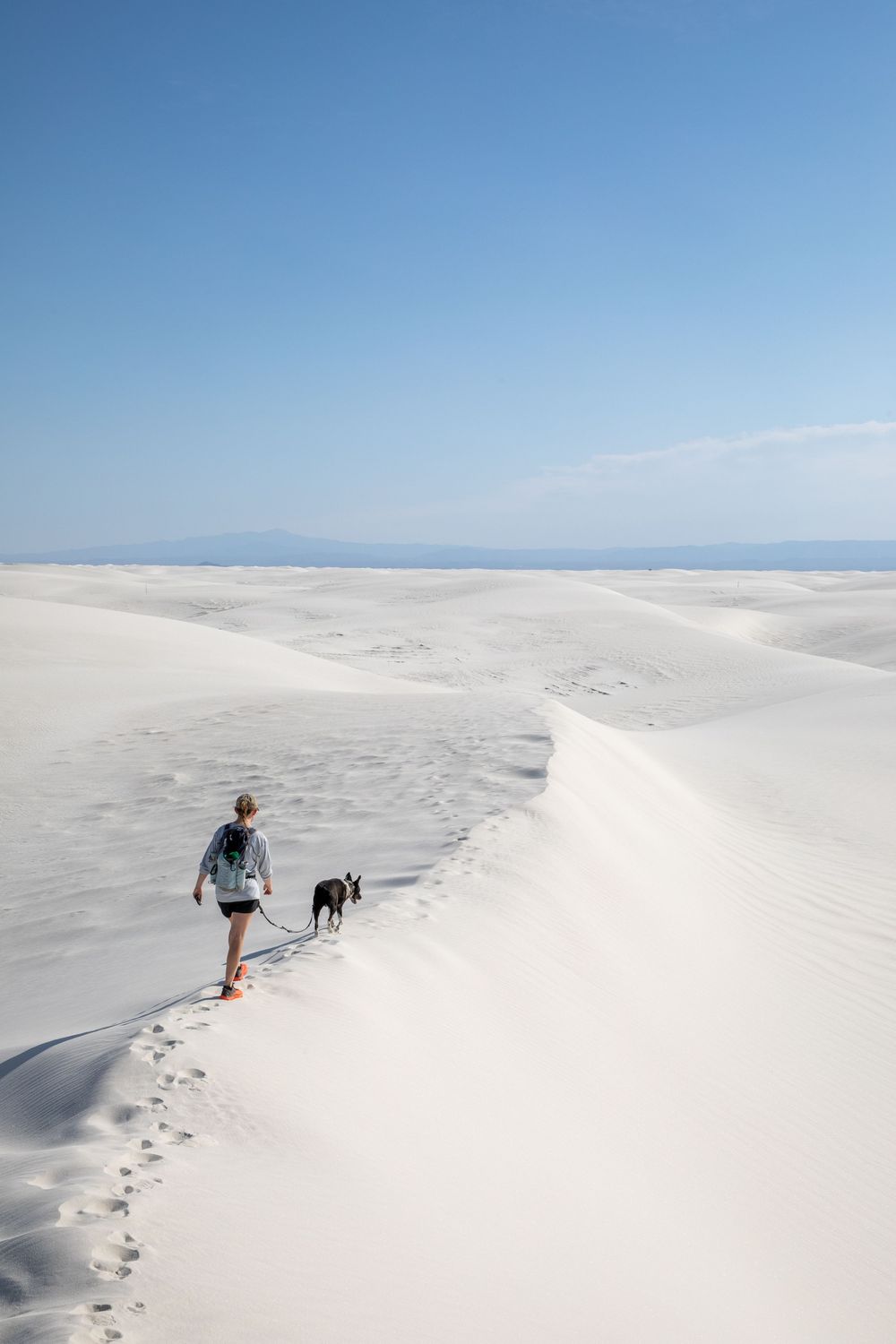
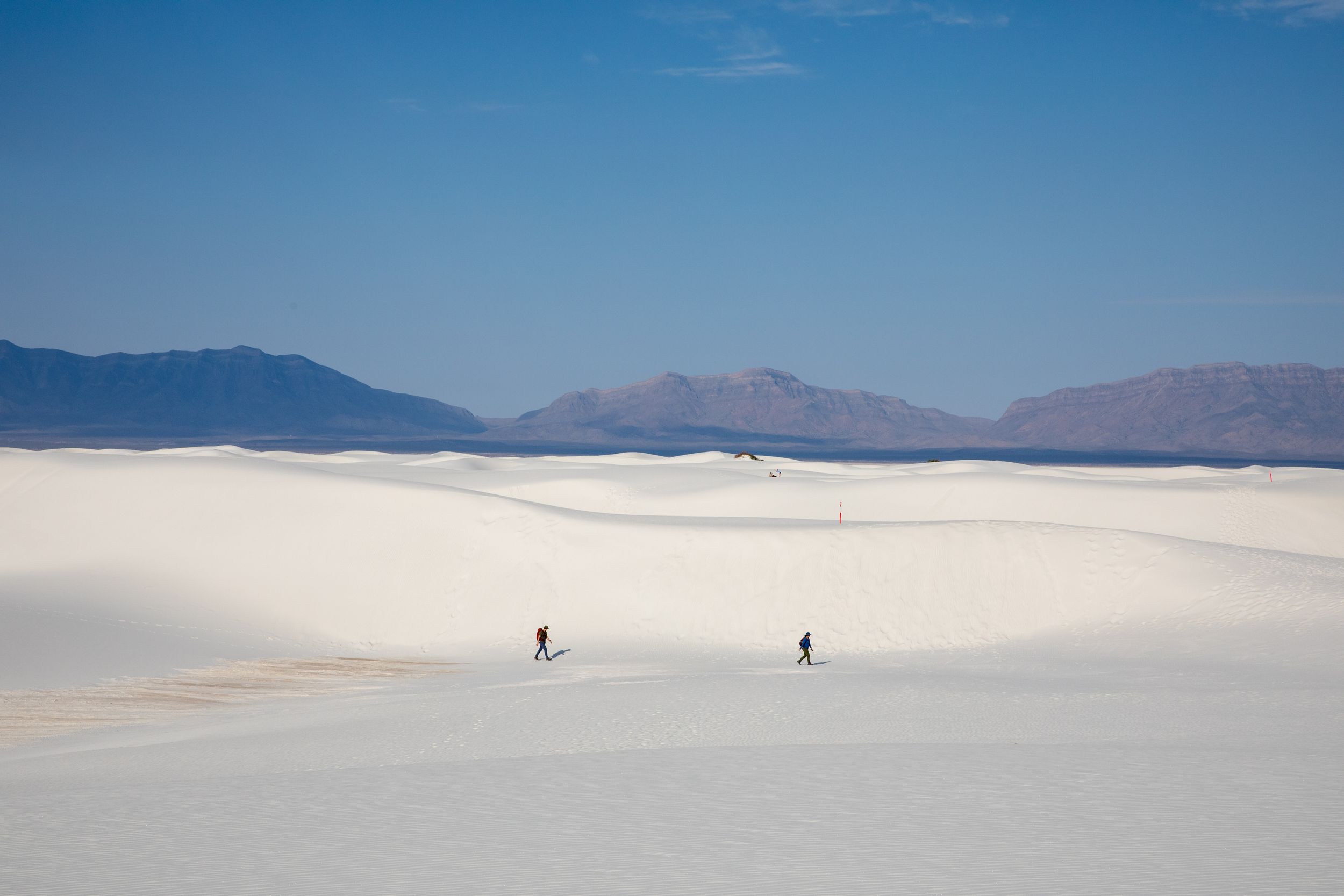
Driving on to more sand, we leveled up our dunes at White Sands National Park. Apollo, Keith, and I all hiked through the incredible white gypsum dunes on the border of a missile testing center. Pro tip: definitely hike barefoot if you're going in the morning. Otherwise, your shoes will turn into sand weights.
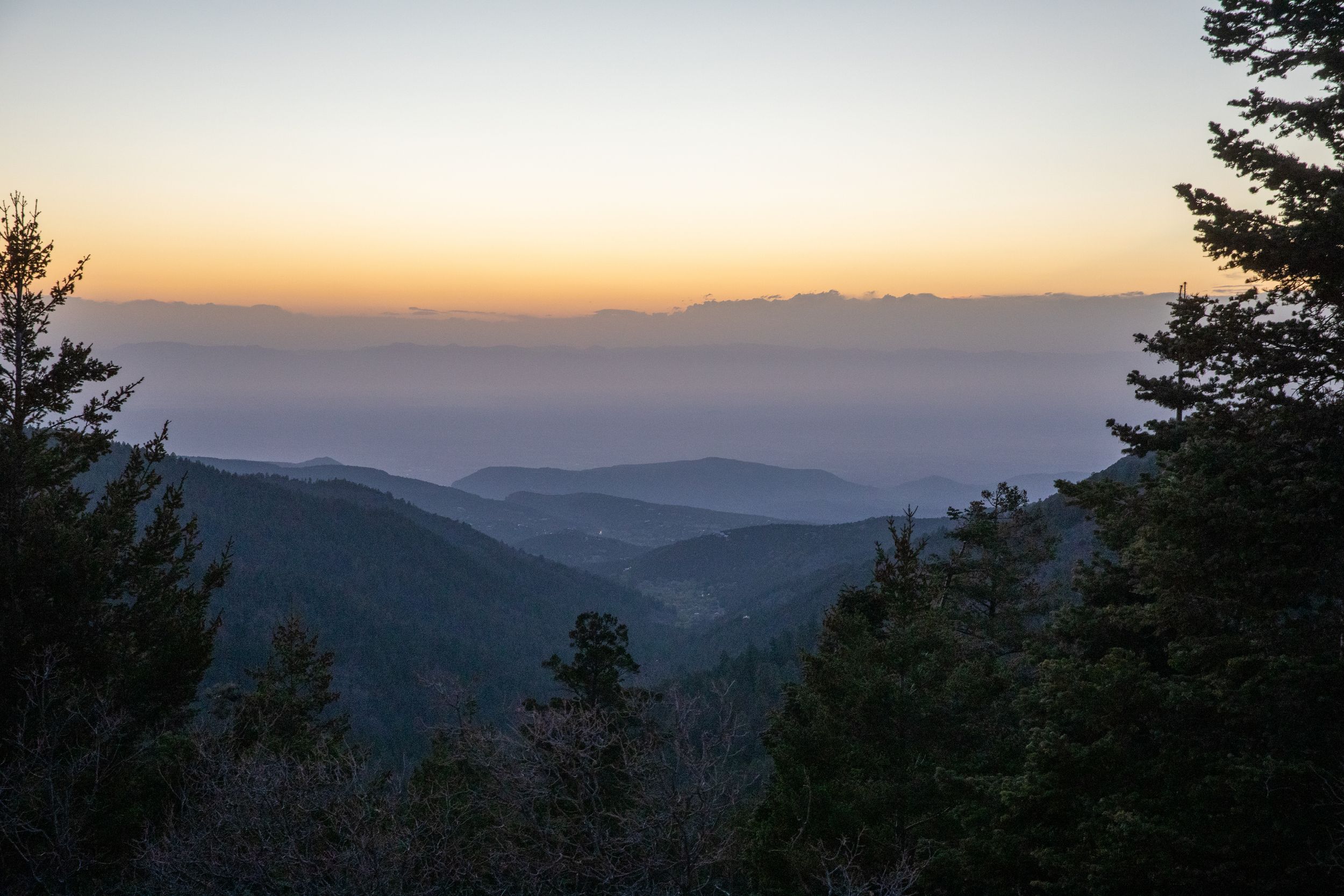
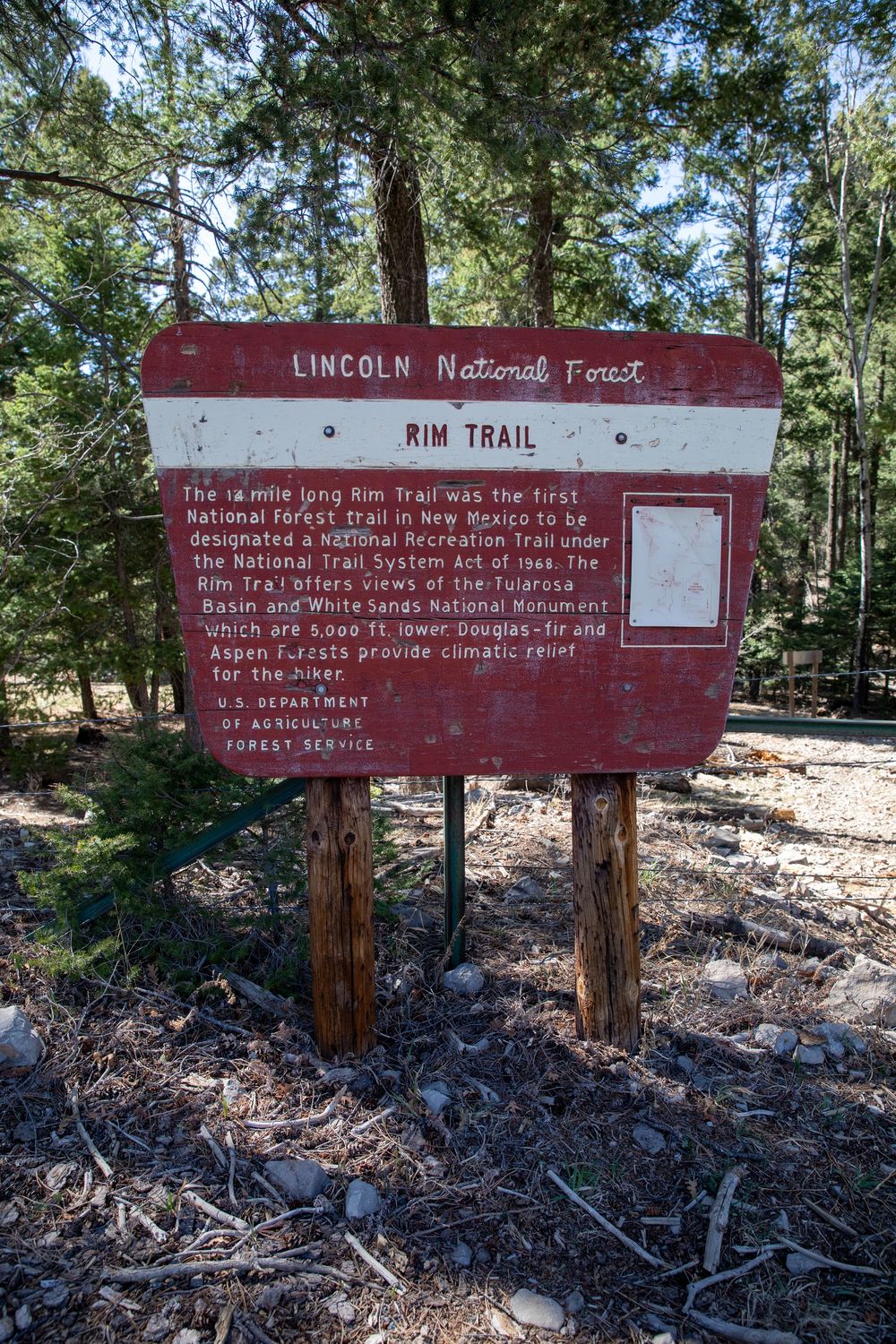
We then sought a reprieve from the desert heat and drove up into the mountains of Lincoln National Forest near Cloudcroft. We spent a few nights with the wolves, deep in the cool forest. Apollo really fell in love with this place—and the spring-fed creek that ran through camp. It was incredible to hear the wolves howling at night and the mix of coyotes and other wildlife moving through the forest. It’s definitely a place we want to return to.
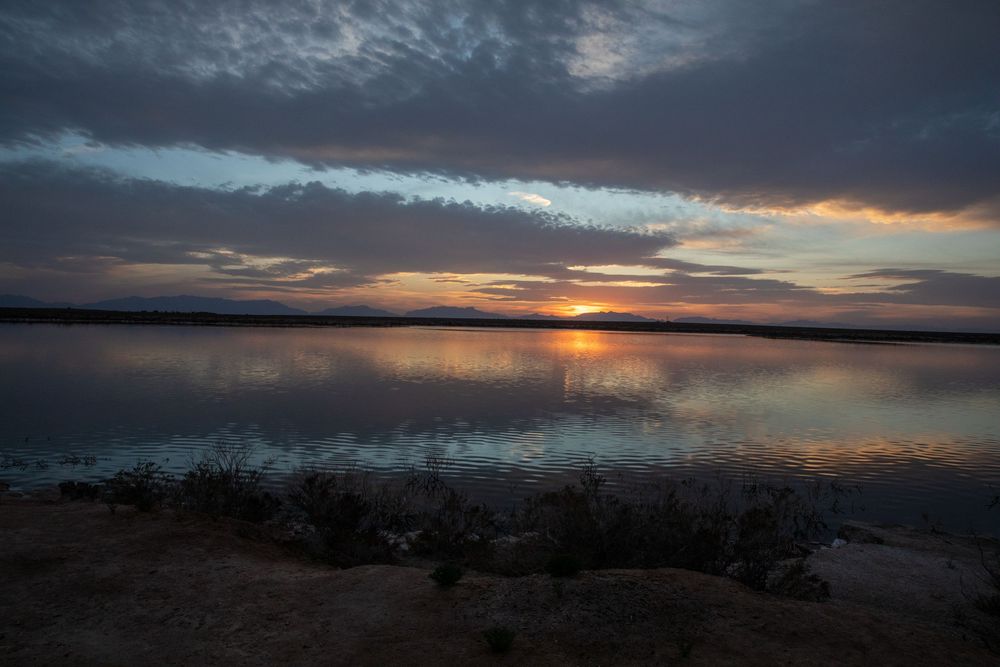
Our time in New Mexico wrapped up with a week at Cochiti Lake near Santa Fe. This recreation area, located on a Native American reservation, served as a home base while I traveled back to Colorado for my mom’s surgery. Apollo developed his professional swimming skills, and Keith developed a sore stick-throwing arm. When I flew back in, we urgently headed into Arizona, going north to escape the first heat wave of summer!

Monahans Sandhills State Park
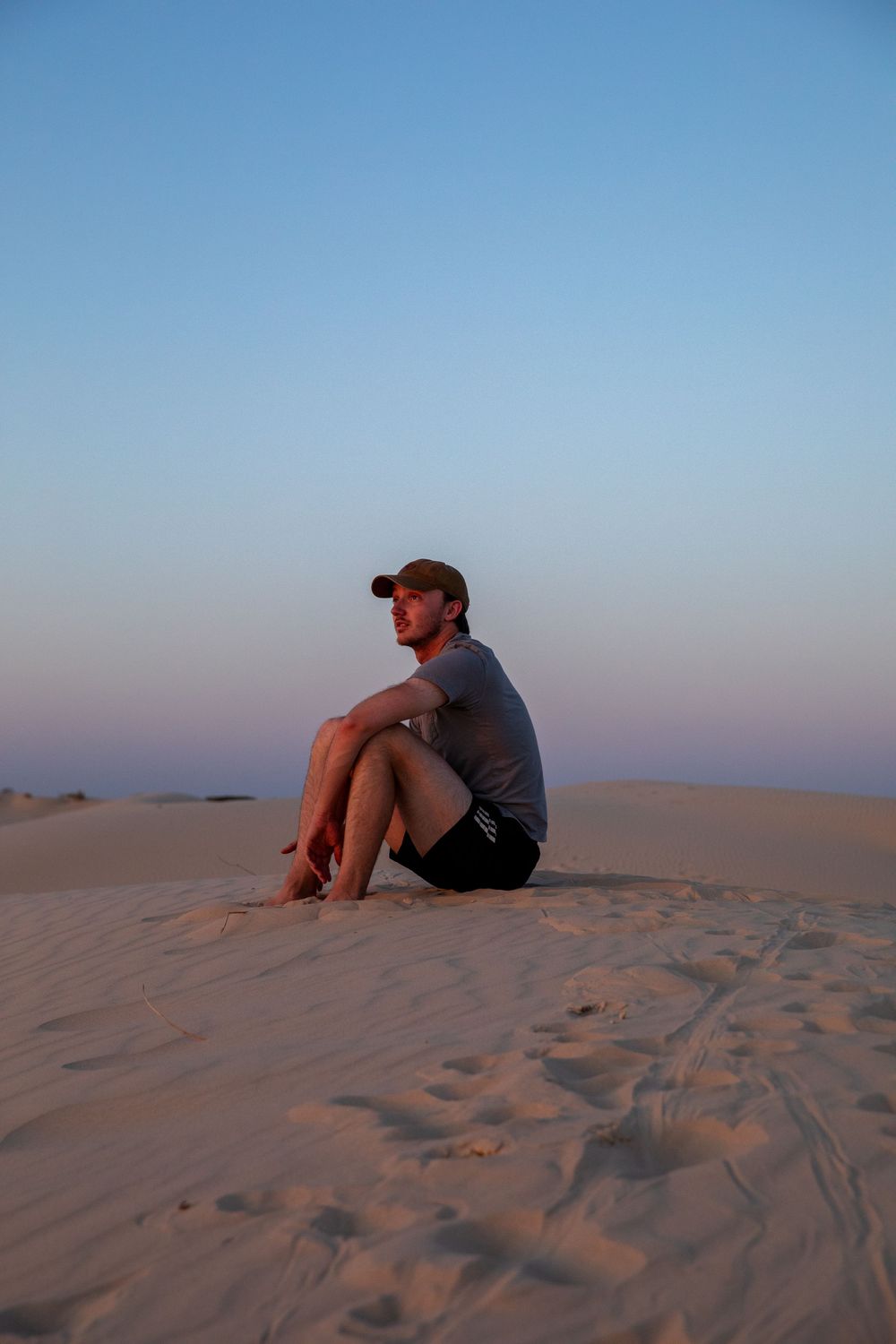
Monahans Sandhills State Park is a striking and unexpected stretch of towering sand dunes in the heart of West Texas oil country. Formed over thousands of years by windblown quartz particles, this landscape is part of a much larger dune system that extends into New Mexico. Despite its stark appearance, the ecosystem is alive with hidden activity, anchored by the resilient shin oak—an underground forest whose vast root system stabilizes the ever-shifting sands.
The dunes are home to a surprising range of desert-adapted wildlife. Kangaroo rats leave delicate tracks across the sand at night, while jackrabbits dart between pockets of vegetation. Burrowing owls nest in underground hollows, and coachwhip snakes glide almost invisibly over the dunes in search of prey. Perhaps most remarkable is the spadefoot toad, a creature that spends nearly its entire life underground, emerging only after heavy rains—triggered by the low-frequency vibrations of distant storms.
Historically, the region supported nomadic Indigenous tribes who learned to survive in its extremes, and later served as a crossroads for early settlers moving west. Today, the dunes remain in constant motion, shaped by the wind and alive with the quiet resilience of desert life.
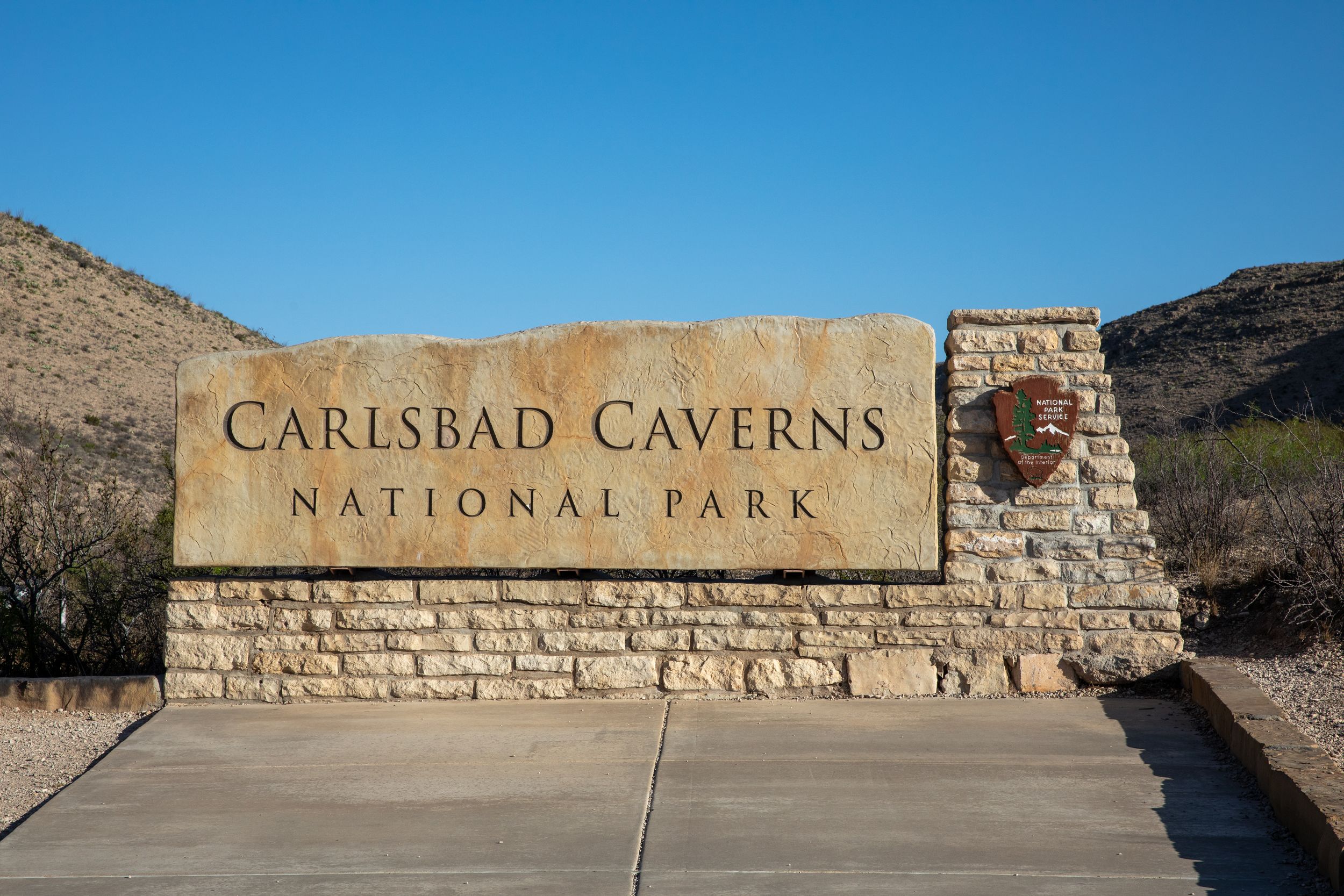
Carlsbad Caverns National Park
Carlsbad Caverns National Park is a hidden world beneath the rugged Chihuahuan Desert of southeastern New Mexico. What appears above ground as a harsh, sun-scorched landscape gives way to a vast underground labyrinth of limestone chambers formed over 250 million years. Once part of an ancient inland sea, the caverns were slowly sculpted by sulfuric acid seeping through fractures in the rock, creating one of the most intricate cave systems in the world.
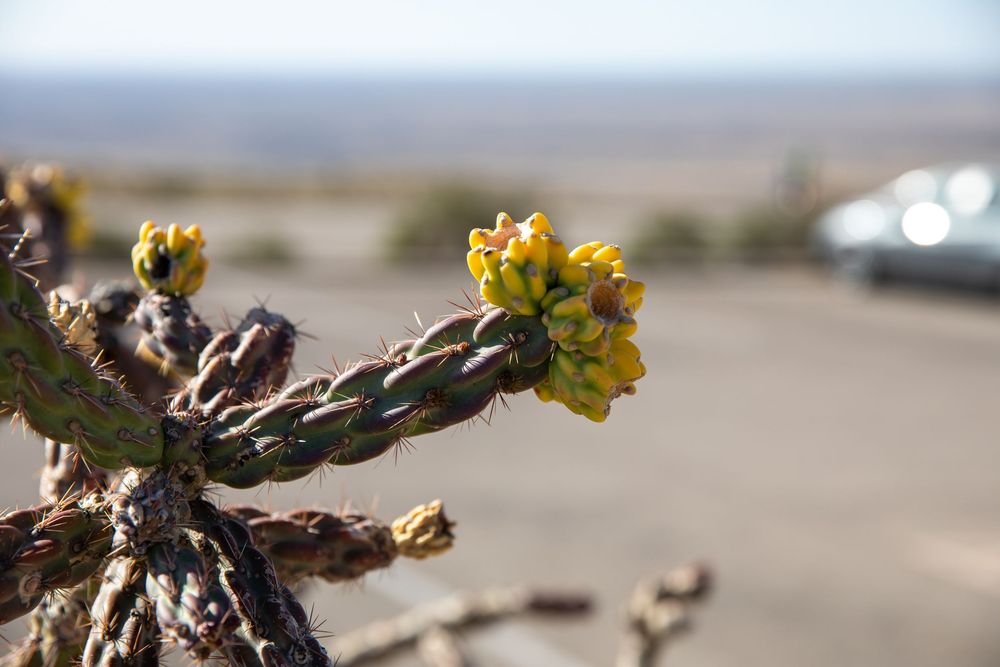
Above ground, the desert teems with resilient life: ringtails, mule deer, and desert cottontails roam the scrub, while roadrunners and golden eagles scan from above. At dusk, the sky comes alive as hundreds of thousands of Brazilian free-tailed bats spiral out of the cave’s natural entrance in search of insects, a nightly migration that echoes the wild rhythm of the desert.
Inside the caverns delicate formations—stalactites, stalagmites, draperies, and soda straws—hang and rise in impossible configurations, formed drop by drop over eons. Despite the darkness, this subterranean world is alive too: blind cave crickets, beetles, and microbial life thrive in the shadows, evolved to survive in complete isolation.
Carlsbad Caverns is not just a geological marvel—it’s a testament to the power of time, water, and adaptation in one of the most extreme environments on Earth.
Guadalupe Mountions National Park
Guadalupe Mountains National Park rises dramatically from the West Texas desert, a rugged spine of ancient limestone peaks carved by time and weather. The park protects the world’s most extensive Permian fossil reef—formed over 260 million years ago when the area lay beneath a vast, tropical sea. Today, those remnants have become sheer cliffs and canyons, crowned by Guadalupe Peak, the highest point in Texas.
This landscape is a study in contrast and elevation. Harsh desert lowlands of creosote bush and mesquite give way to hidden canyons filled with maples, ponderosa pines, and Douglas firs. The varied terrain creates a surprising diversity of ecosystems, from high-elevation woodlands to riparian springs tucked between stone walls.
Wildlife here is as varied as the landscape itself. Mule deer and javelina traverse the desert flats, while black bears, gray foxes, and mountain lions roam the higher elevations. The park is also home to golden eagles, peregrine falcons, and an impressive array of reptiles and pollinators adapted to the dry, sun-beaten environment.
Guadalupe Mountains is a place shaped by extremes—wind, elevation, drought—and by the enduring forms of life that have learned to thrive within them.
White Sands National Park
White Sands National Park is like stepping into another world—an endless sea of luminous white dunes stretching across the Tularosa Basin in southern New Mexico. These brilliant sands are made not of quartz, like most deserts, but of gypsum—a rare phenomenon on Earth. Formed by the evaporation of an ancient lake and shaped over millennia by wind, the dunes are constantly shifting, rising, and curling like ocean waves frozen in time.
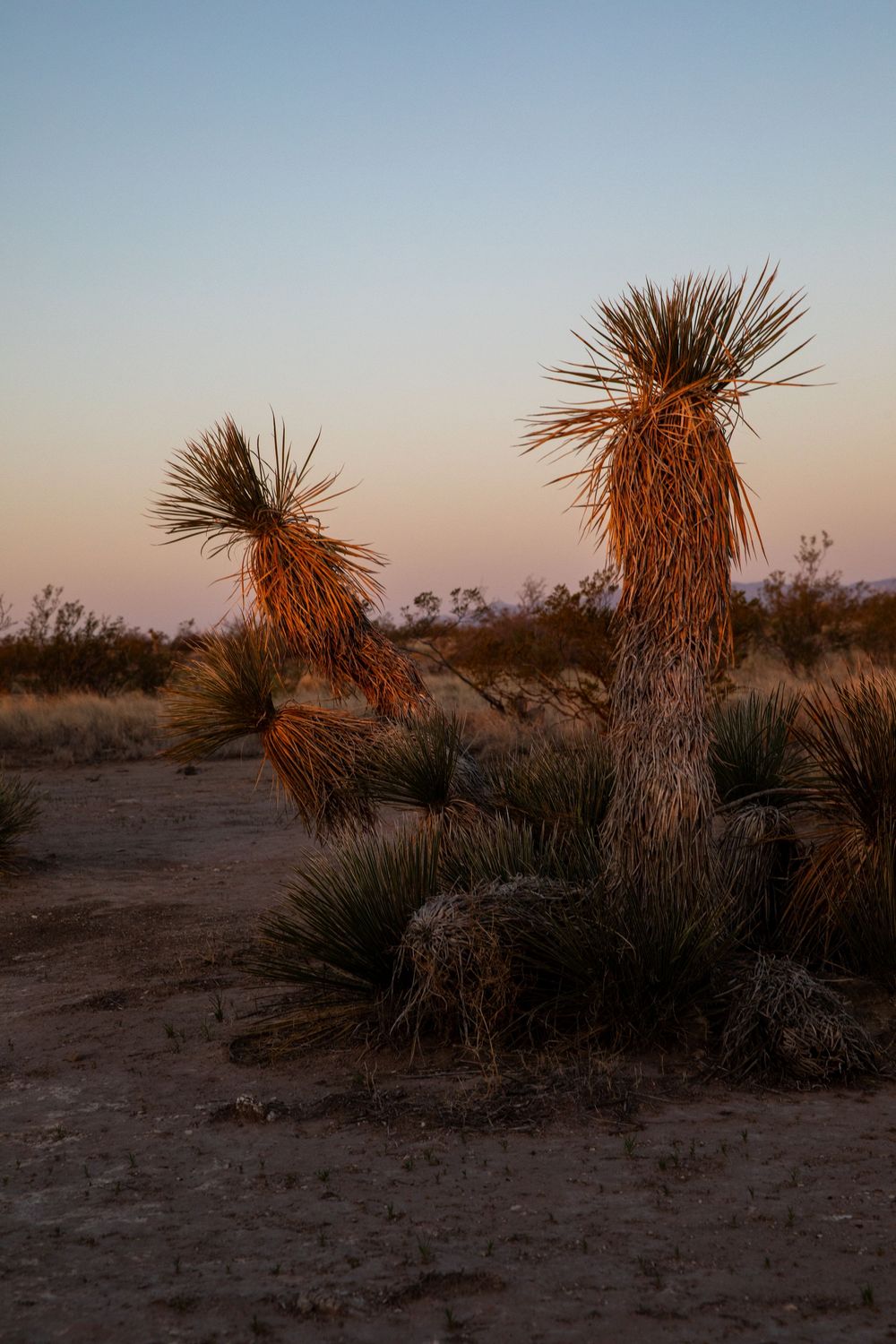
Though the landscape looks stark and empty at first glance, it's rich with life uniquely adapted to the extreme conditions. Nocturnal creatures like kit foxes, kangaroo rats, and bleached earless lizards emerge after sundown, their pale coloring helping them blend into the sands and reflect heat. Even the plant life—such as soaptree yucca and skunkbush sumac—has evolved to anchor itself in ever-moving ground, reaching deep for moisture in an environment defined by sun and silence.
The gypsum dunes reflect moonlight and glow at sunrise, creating an ever-changing canvas of light, shadow, and silence. In its stillness, White Sands holds a strange and powerful energy—a place where survival itself feels like a quiet miracle and the boundaries between earth and sky blur in the brightness of the sand.
Lincoln National Forest
Lincoln National Forest feels like a secret oasis tucked into the arid heart of southern New Mexico. Spanning elevations from desert basins to alpine meadows, it’s one of the most ecologically diverse forests in the Southwest. Here, dry grasslands rise into cool, pine-covered mountains, where streams flow year-round and wildlife flourishes under the shade of aspen, fir, and spruce.
This forest is home to three major mountain ranges—the Sacramento, Capitan, and Guadalupe Mountains—each offering a distinct habitat and history. Originally inhabited by Indigenous peoples who moved with the land’s rhythms, the region later became a haven for ranchers, loggers, and early conservationists. It’s also the birthplace of the original Smokey Bear, rescued from a wildfire in the Capitan Mountains in 1950—a symbol of the forest’s fire-adapted ecosystems and its ongoing legacy of stewardship.
Tucked high in the Sacramento Mountains is Cloudcroft, a small mountain village perched at nearly 9,000 feet. With its cool, crisp air and old railroad history, Cloudcroft feels worlds away from the desert below. The area is surrounded by thick forest and spring-fed creeks, making it a favorite summer refuge for wildlife and travelers alike. Elk and black bears roam the hills, red-tailed hawks circle above, and the night is often alive with the distant howls of coyotes and wolves echoing through the trees.
Lincoln National Forest is a place of contrast and calm—a meeting point of desert and forest, survival and sanctuary—where the air is cooler and the nights are quieter.